

Read Our Blogs
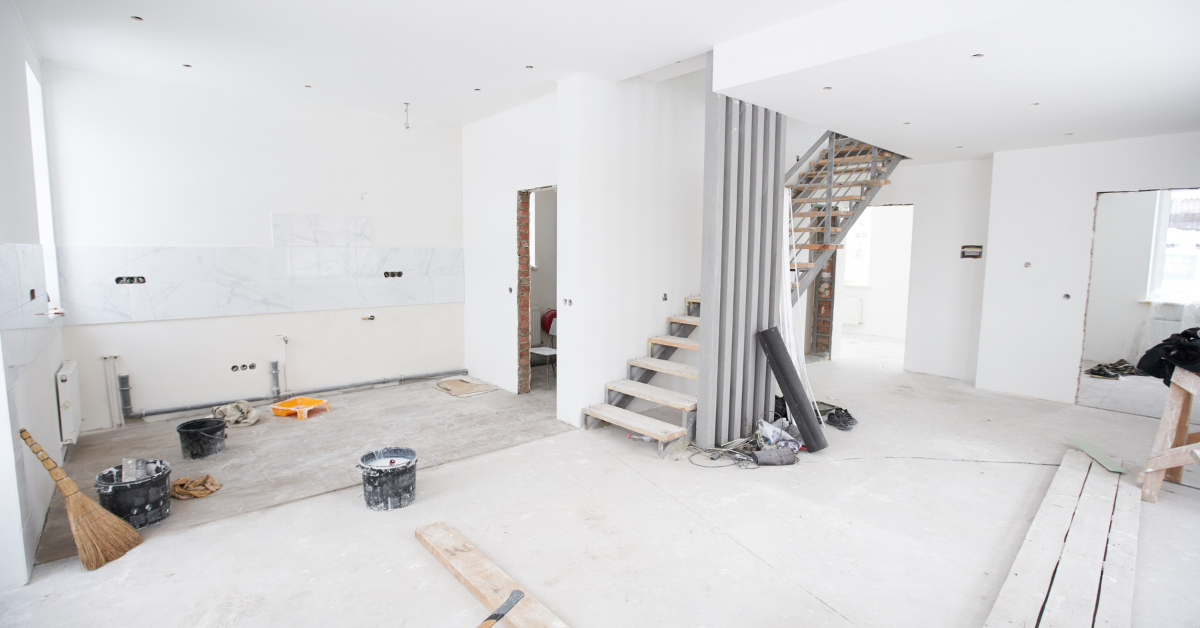
What Insurance Should You Review Before Renovating a Home?
Before renovating a home in Rhode Island, homeowners should review dwelling coverage, liability protection, and potential builders risk insurance. Updating your policy helps avoid coverage gaps during and after construction.
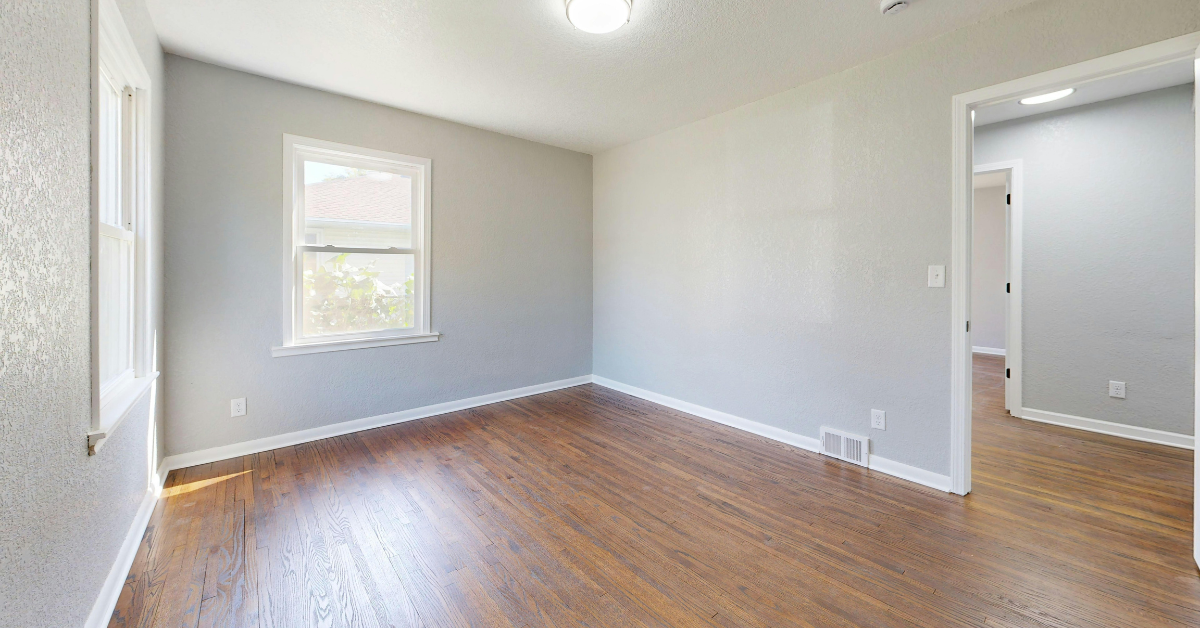
What Insurance Covers Vacant Homes in Rhode Island?
Vacant homes in Rhode Island often require specialized insurance coverage because standard homeowners policies may limit protection after extended vacancy. Vacant home insurance can help cover risks like vandalism, fire, and storm damage.

What Insurance Covers Dog Bite Liability in Rhode Island?
Homeowners insurance in Rhode Island often includes liability coverage for dog bites and dog-related injuries. However, breed restrictions, policy exclusions, and liability laws can affect how coverage applies.

What Insurance Should South Kingstown Homeowners Review?
South Kingstown homeowners should regularly review insurance coverage for flood risk, storm exposure, liability, and rebuilding costs. Coastal conditions and changing weather patterns make updated coverage especially important in this part of Rhode Island.

What Insurance Questions Should You Ask Before Buying a Home?
Before buying a home in Rhode Island, it’s important to ask key insurance questions about cost, coverage, flood risk, and liability limits. Understanding these factors early helps buyers avoid surprises and protect their investment.
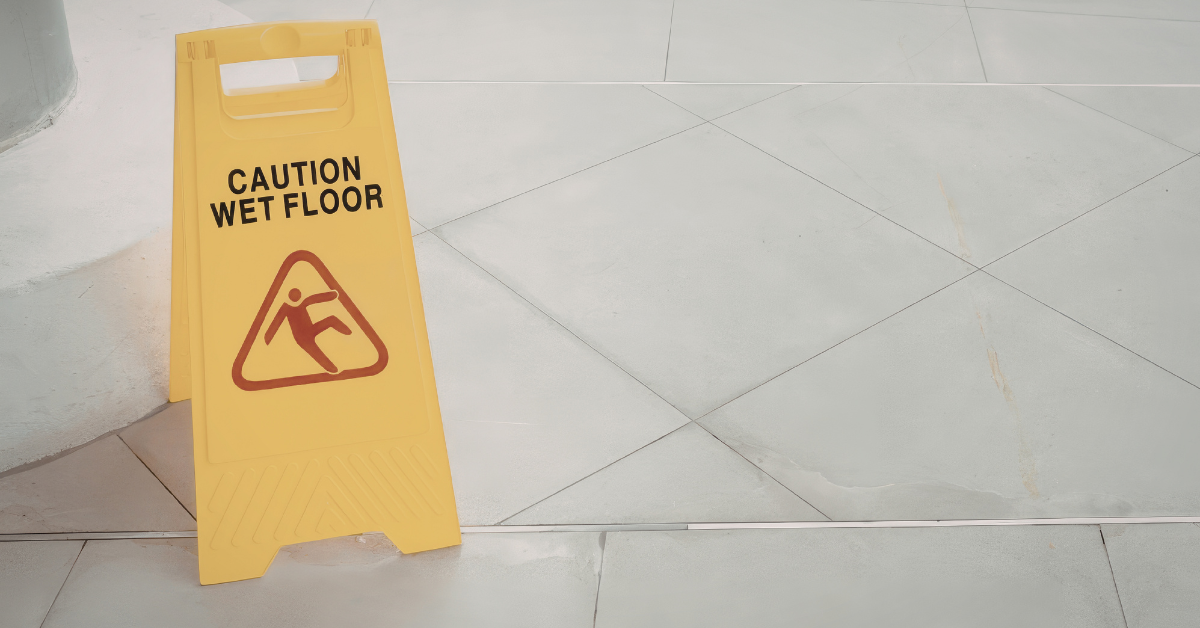
What Happens If Someone Slips on Your Property in Rhode Island?
If someone slips on your property in Rhode Island, homeowners insurance may help cover medical costs and liability claims. Understanding how liability and medical payments coverage work can help protect you from financial risk.

What Happens If a Tenant Stops Paying Rent — Does Insurance Help?
If a tenant stops paying rent, standard landlord insurance typically does not cover the lost income. While some policies cover rent after property damage, unpaid rent due to tenant default is usually a financial risk landlords must manage separately.

What Insurance Should West Warwick Homeowners Review?
West Warwick homeowners should review key insurance coverage each year, including homeowners, flood, liability, and water backup protection. Local risks like flooding and older homes make regular policy reviews especially important.

What Liability Risks Do Rhode Island Homeowners Overlook?
Rhode Island homeowners often overlook liability risks like icy walkways, dog-related incidents, and injuries during gatherings. Understanding these exposures and reviewing liability coverage can help protect against costly claims.
What Discounts Do Rhode Island Homeowners Often Miss?
Many Rhode Island homeowners miss out on valuable insurance discounts, from bundling and claims-free savings to home security and system upgrades. Reviewing your policy regularly can help uncover hidden savings and reduce your premium.

What Insurance Do First-Time Rhode Island Landlords Often Miss?
First-time Rhode Island landlords often miss key coverages like landlord insurance, loss of rental income, liability protection, and water backup coverage. Understanding these gaps can help protect your rental property and avoid costly mistakes.

What Insurance Coverage Should Rhode Island Homeowners Review Each Year?
Rhode Island homeowners should review their insurance coverage each year to ensure it reflects changes in home value, belongings, and risk exposure. From dwelling and liability coverage to water protection and deductibles, annual reviews help prevent costly gaps.

How to Tell If Your Home Insurance Coverage Is Outdated in Rhode Island
Home insurance coverage can become outdated over time due to rising construction costs, home improvements, and changes in personal belongings. Rhode Island homeowners who review their policies regularly can help avoid coverage gaps and ensure proper protection.

What Insurance Do Lincoln, RI Homeowners Need?
Lincoln, RI homeowners typically need a combination of homeowners insurance, replacement cost coverage, liability protection, and optional coverages like water backup or flood insurance. Reviewing your policy regularly helps ensure your coverage reflects local risks and rising rebuild costs.

What Insurance Covers Heavy Rain Damage in Rhode Island?
Heavy rain damage in Rhode Island may be covered by homeowners insurance if it results from a sudden, covered event like storm damage. However, flooding, sewer backups, and maintenance-related issues are often excluded, making it important to understand where additional coverage may be needed.

What Happens If a Guest Is Injured at Your Home in Rhode Island?
If a guest is injured at your home in Rhode Island, homeowners insurance may help cover medical expenses and liability costs. Understanding how liability and medical payments coverage work can help homeowners protect themselves from unexpected financial risk.
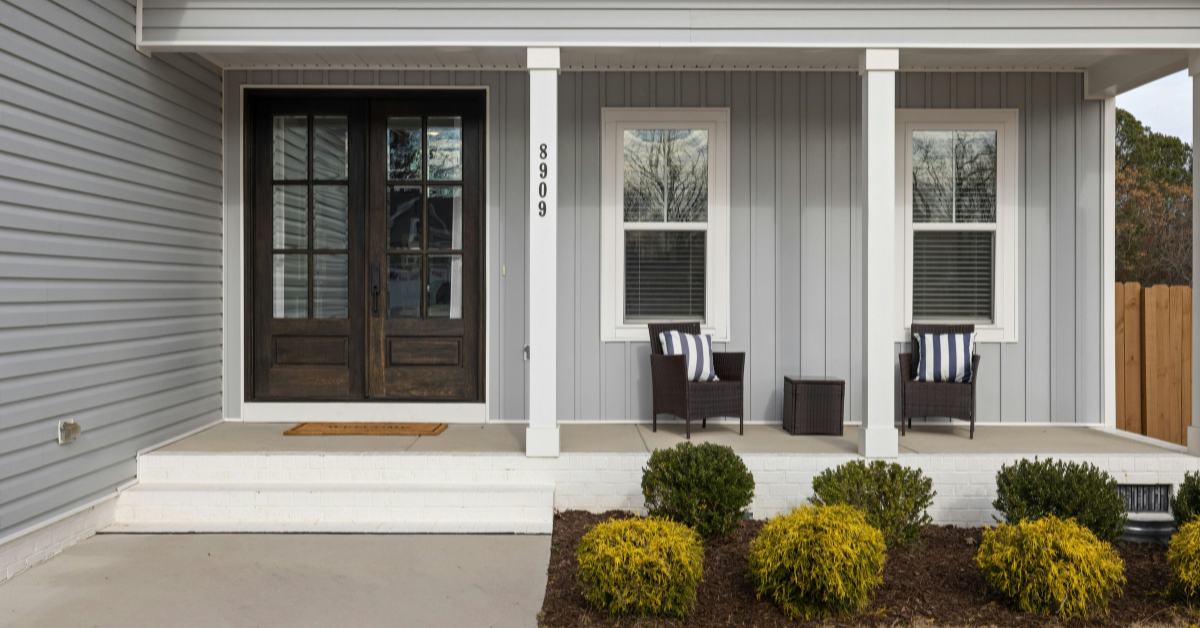
How to Lower Your Home Insurance Premium in Rhode Island
Homeowners in Rhode Island can lower their insurance premiums by comparing options, bundling policies, increasing deductibles, and improving home safety. Regular policy reviews and taking advantage of discounts can help reduce costs without sacrificing coverage.

What Insurance Coverage Is Common for Homes Near the Rhode Island Coast?
Homes near the Rhode Island coast often require additional insurance considerations, including flood coverage, wind protection, and hurricane deductibles. Understanding these common coverages can help homeowners better protect their property from coastal risks.

What Does a Standard Home Insurance Policy Not Cover in Rhode Island?
Homeowners insurance covers many unexpected events, but it doesn’t cover everything. In Rhode Island, common exclusions include flood damage, wear and tear, sewer backups, and certain high-value items, making it important to understand where additional coverage may be needed.
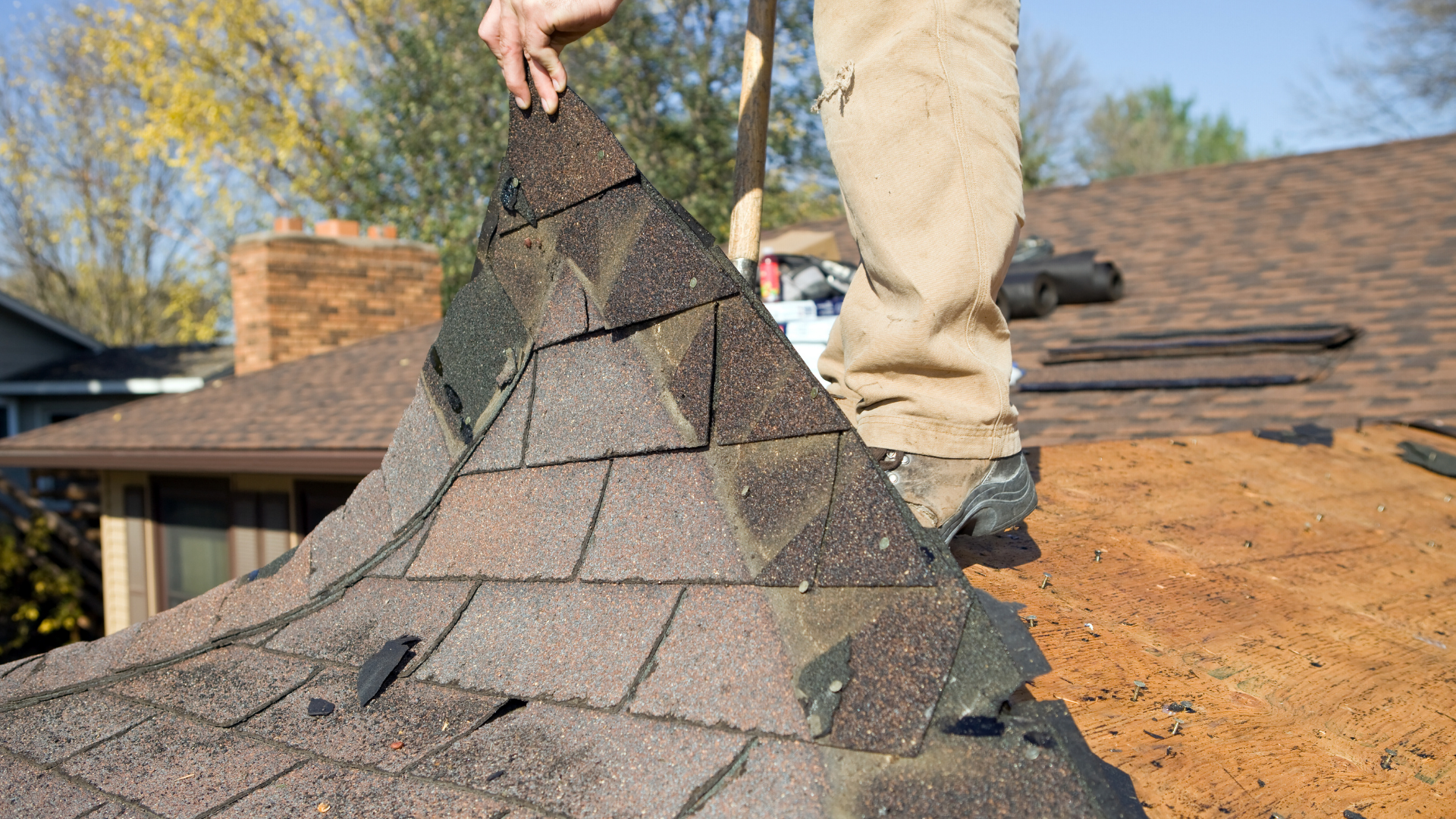
What Happens If Your Roof Is Damaged in a Rhode Island Storm?
Storms in Rhode Island can cause roof damage ranging from missing shingles to serious leaks. Understanding how the insurance process works — from documenting damage to filing a claim and completing repairs — can help homeowners respond quickly and protect their property.