

Read Our Blogs

What Happens If You Miss an Insurance Payment in Rhode Island?
Missing an insurance payment in Rhode Island can lead to a grace period, but if unpaid, your policy may be canceled, creating a coverage lapse. Acting quickly can help prevent gaps and higher future costs.
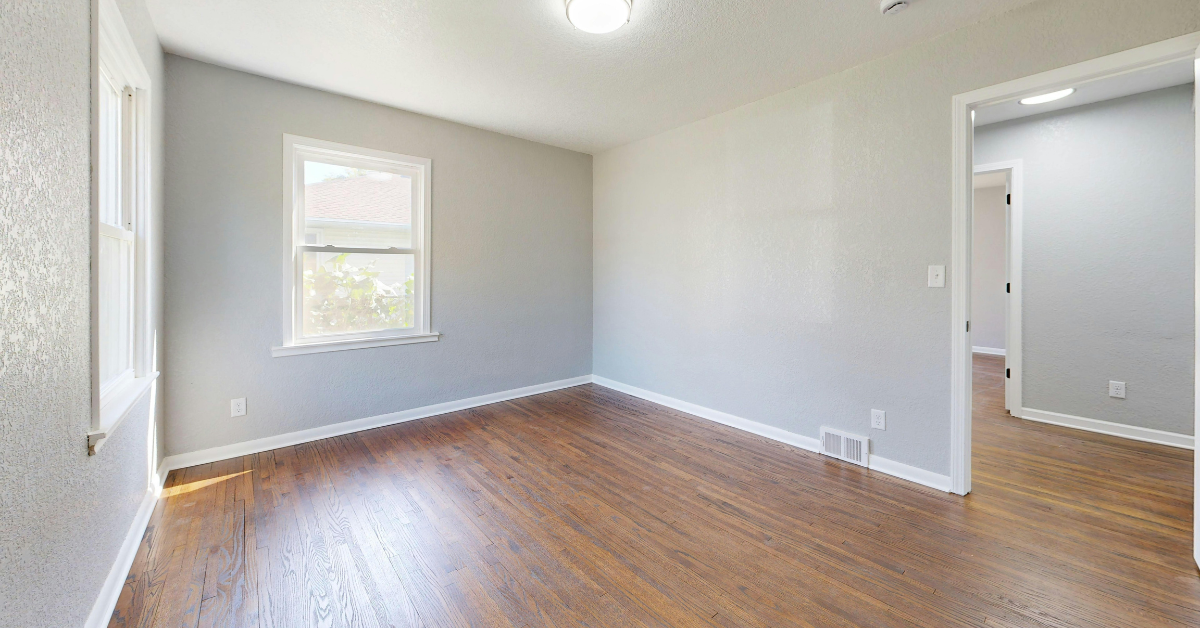
What Insurance Covers Vacant Homes in Rhode Island?
Vacant homes in Rhode Island often require specialized insurance coverage because standard homeowners policies may limit protection after extended vacancy. Vacant home insurance can help cover risks like vandalism, fire, and storm damage.

What Factors Increase Insurance Costs the Most in Rhode Island?
Insurance costs in Rhode Island are increasing due to rising construction costs, severe weather, coastal exposure, inflation, and claims history. Understanding these factors can help homeowners and drivers better manage their coverage and costs.

What Insurance Covers Dog Bite Liability in Rhode Island?
Homeowners insurance in Rhode Island often includes liability coverage for dog bites and dog-related injuries. However, breed restrictions, policy exclusions, and liability laws can affect how coverage applies.

What Does “Policy Limit” Really Mean in Insurance?
A policy limit is the maximum amount your insurance will pay for a covered claim. Understanding your limits helps Rhode Island residents avoid unexpected out-of-pocket costs and ensure their coverage is sufficient.

What Insurance Should South Kingstown Homeowners Review?
South Kingstown homeowners should regularly review insurance coverage for flood risk, storm exposure, liability, and rebuilding costs. Coastal conditions and changing weather patterns make updated coverage especially important in this part of Rhode Island.
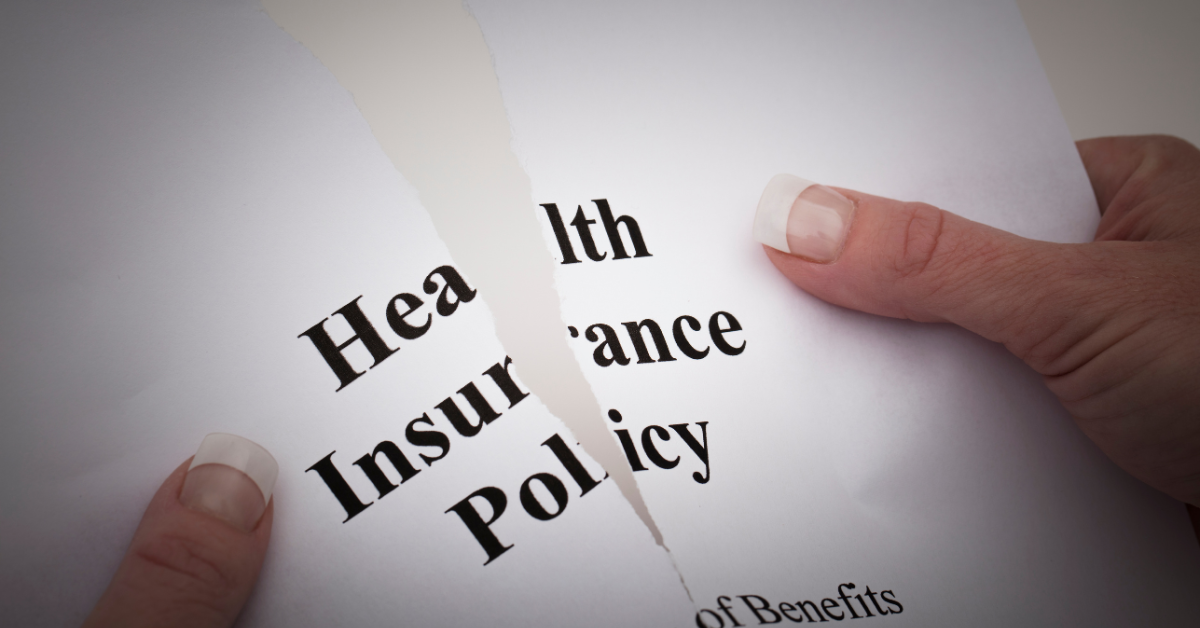
What Happens If You Cancel Your Insurance Too Early?
Canceling your insurance too early can create coverage gaps, higher future premiums, and financial risk. Rhode Island residents should coordinate policy changes carefully to maintain continuous protection.

What Insurance Questions Should You Ask Before Buying a Home?
Before buying a home in Rhode Island, it’s important to ask key insurance questions about cost, coverage, flood risk, and liability limits. Understanding these factors early helps buyers avoid surprises and protect their investment.
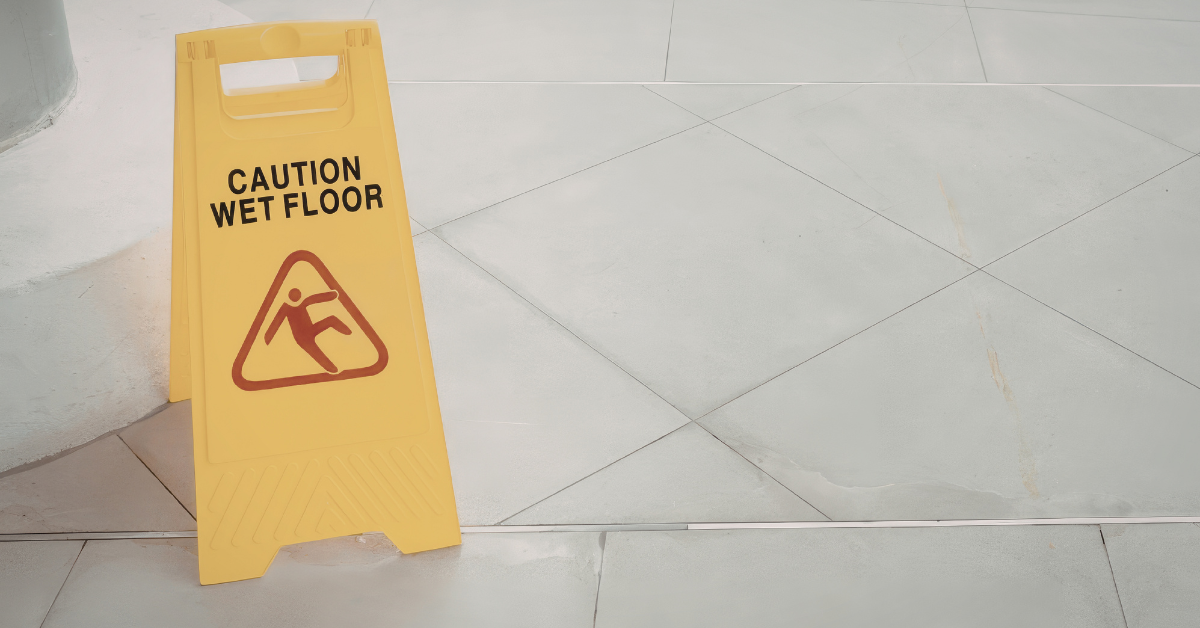
What Happens If Someone Slips on Your Property in Rhode Island?
If someone slips on your property in Rhode Island, homeowners insurance may help cover medical costs and liability claims. Understanding how liability and medical payments coverage work can help protect you from financial risk.

What Happens If a Tenant Stops Paying Rent — Does Insurance Help?
If a tenant stops paying rent, standard landlord insurance typically does not cover the lost income. While some policies cover rent after property damage, unpaid rent due to tenant default is usually a financial risk landlords must manage separately.
How to Avoid Overpaying for Insurance in Rhode Island
Avoiding overpaying for insurance in Rhode Island comes down to regular policy reviews, accurate coverage amounts, and taking advantage of available discounts. Small adjustments can lead to meaningful savings without sacrificing protection.

How Umbrella Insurance Works for Rhode Island Homeowners
Umbrella insurance provides extra liability protection beyond standard home and auto policies. Rhode Island homeowners use it to protect assets and cover large claims that exceed basic coverage limits.

What Does “Insurable Interest” Mean in Rhode Island?
Insurable interest means you have a financial stake in something you insure. In Rhode Island, this concept determines who can legally insure property or people — and plays a key role in whether claims are approved.
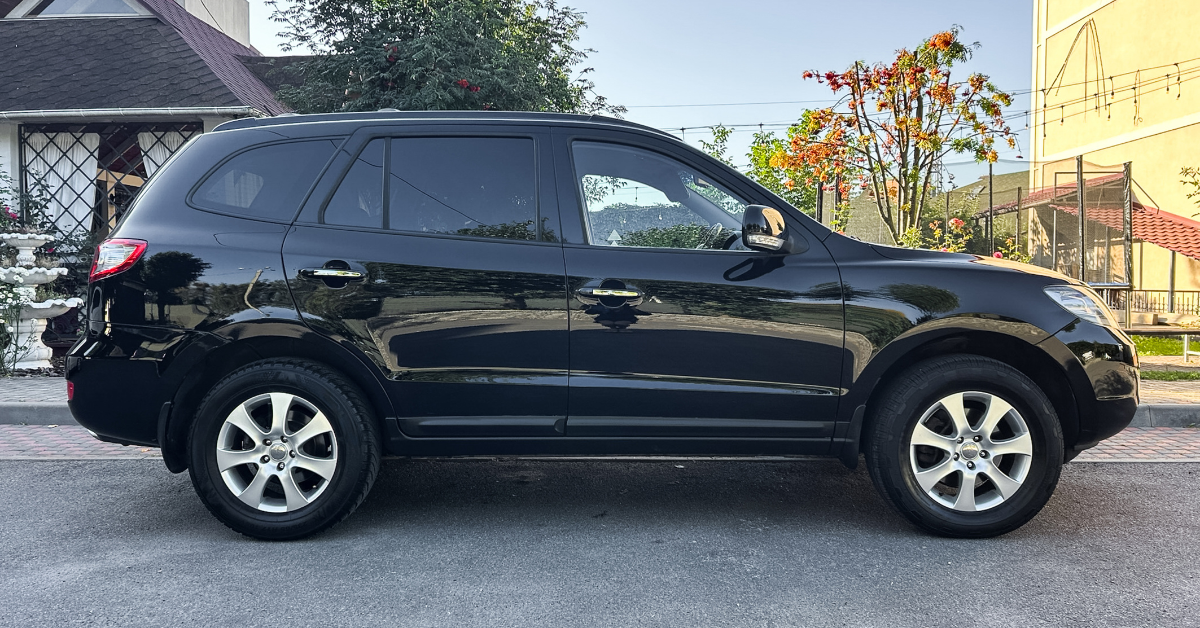
What Insurance Should You Update After Buying a Car in Rhode Island?
After buying a car in Rhode Island, it’s important to update your auto insurance, including adding the vehicle, reviewing liability limits, and considering collision, comprehensive, and gap coverage. These updates help ensure proper protection from day one.

What Insurance Do Narragansett Homeowners Typically Carry?
Narragansett homeowners typically carry homeowners insurance, flood insurance, and enhanced liability coverage due to coastal risks. Storm exposure, rising water, and higher rebuild costs make layered insurance coverage especially important.

What Insurance Should West Warwick Homeowners Review?
West Warwick homeowners should review key insurance coverage each year, including homeowners, flood, liability, and water backup protection. Local risks like flooding and older homes make regular policy reviews especially important.

What Liability Risks Do Rhode Island Homeowners Overlook?
Rhode Island homeowners often overlook liability risks like icy walkways, dog-related incidents, and injuries during gatherings. Understanding these exposures and reviewing liability coverage can help protect against costly claims.

What Happens If Your Coverage Is Denied in Rhode Island?
If your insurance claim is denied in Rhode Island, it means your policy does not cover the loss based on its terms. Understanding the reason for denial, reviewing your policy, and exploring appeal options can help you determine your next steps.

What Does “Per Occurrence” Mean in Insurance Policies?
“Per occurrence” refers to the maximum amount an insurance policy will pay for a single claim or event. Understanding this limit helps Rhode Island residents determine whether their liability coverage is sufficient for potential risks.
What Discounts Do Rhode Island Homeowners Often Miss?
Many Rhode Island homeowners miss out on valuable insurance discounts, from bundling and claims-free savings to home security and system upgrades. Reviewing your policy regularly can help uncover hidden savings and reduce your premium.