

Read Our Blogs
How Insurance Works If Your Neighbor Damages Your Property in Rhode Island
If a neighbor damages your property in Rhode Island, your homeowners insurance usually covers the damage first. If negligence is involved, your insurer may recover costs from your neighbor’s insurance.

What Is Uninsured Motorist Coverage in Rhode Island?
Uninsured motorist coverage protects Rhode Island drivers if they’re hit by someone without insurance or in a hit-and-run. It helps cover medical costs, lost wages, and other damages.

What Insurance Should You Check Before Storm Season in Rhode Island?
Before storm season in Rhode Island, homeowners should review wind coverage, flood insurance, water backup protection, and deductibles. Preparing early helps prevent coverage gaps and costly surprises.
What Insurance Should Johnston Homeowners Review Each Year?
Johnston homeowners should review their insurance coverage each year to make sure it reflects current rebuilding costs, home improvements, and changing risks. Liability protection, water backup coverage, flood insurance, and storm-related coverage are among the most important areas to revisit annually.

What Insurance Covers Guest Injuries at Rental Properties in Rhode Island?
Guest injuries at Rhode Island rental properties are typically covered by landlord liability insurance, which can pay for medical costs, legal fees, and settlements. Additional protection like umbrella insurance may also be needed.
What Happens If Your Car Is Stolen in Rhode Island?
If your car is stolen in Rhode Island, comprehensive insurance typically covers the loss based on the vehicle’s actual cash value. Without comprehensive coverage, theft is not covered.
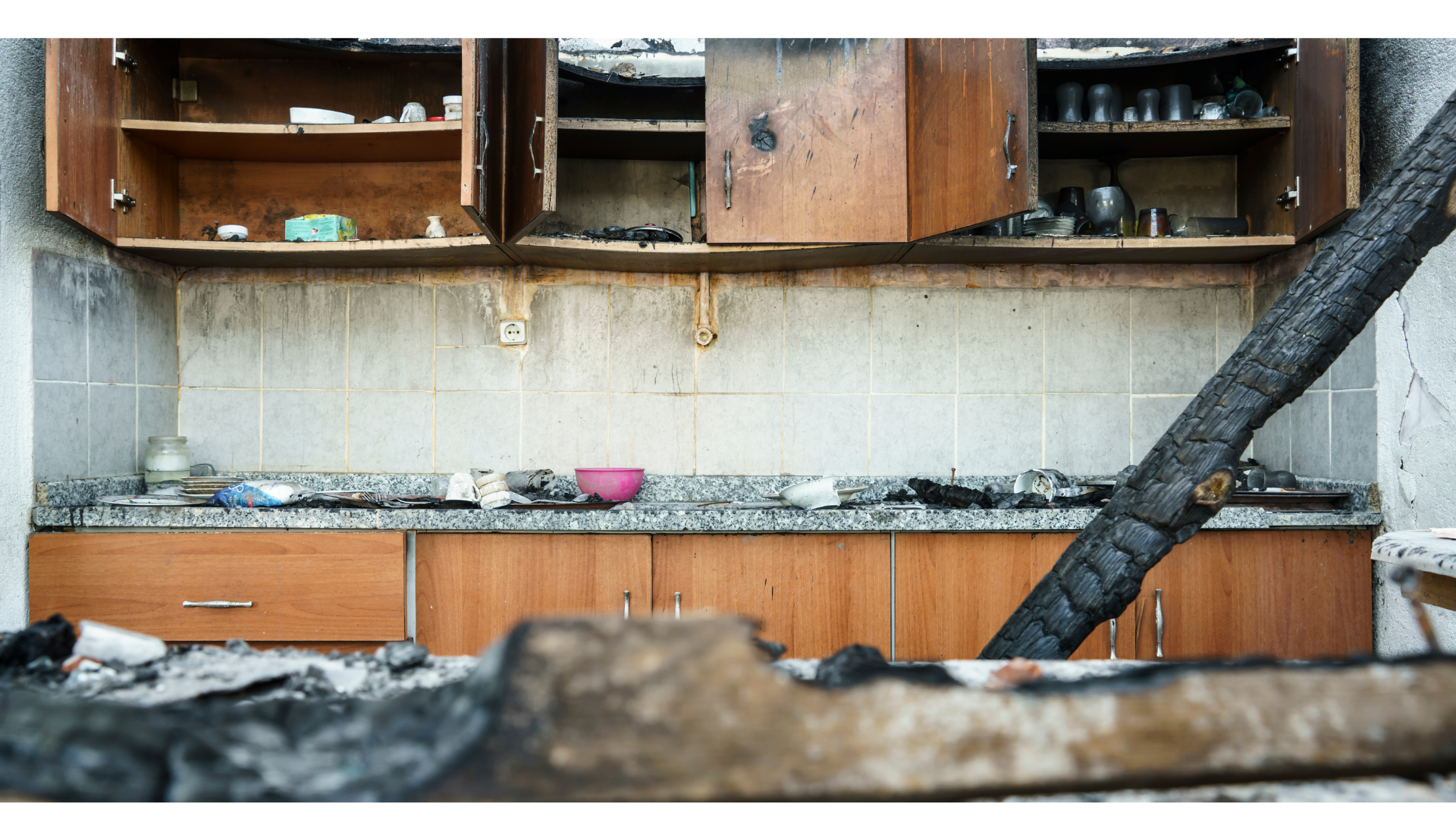
How Insurance Covers Smoke Damage in Rhode Island Homes
Homeowners insurance in Rhode Island typically covers smoke damage caused by fires, including soot cleanup, odor removal, and damage to belongings. Coverage depends on the cause and severity of the damage.

How Bundling Insurance Actually Saves Money in Rhode Island
Bundling insurance in Rhode Island can save money through multi-policy discounts, better pricing tiers, and simplified coverage. Home and auto bundles often provide the biggest savings and convenience.

What Happens If You Don’t Update Your Insurance After Moving?
If you don’t update your insurance after moving, you could face coverage gaps, denied claims, or incorrect protection. Rhode Island homeowners should update policies before moving to ensure continuous and accurate coverage.

What Insurance Do Coventry Homeowners Typically Need?
Coventry homeowners typically need strong homeowners insurance, along with water backup coverage, liability protection, and coverage for detached structures. Inland flooding and tree-related risks make regular policy reviews especially important.

How Insurance Covers Passenger Injuries in Rhode Island
Auto insurance in Rhode Island covers passenger injuries through medical payments, liability coverage, and uninsured motorist protection. Coverage depends on fault, policy limits, and available protections.

What Insurance Covers Water Leaks in Rhode Island Homes?
Homeowners insurance in Rhode Island typically covers sudden and accidental water leaks, but not gradual damage or maintenance issues. Sewer backup and flood damage require separate coverage.
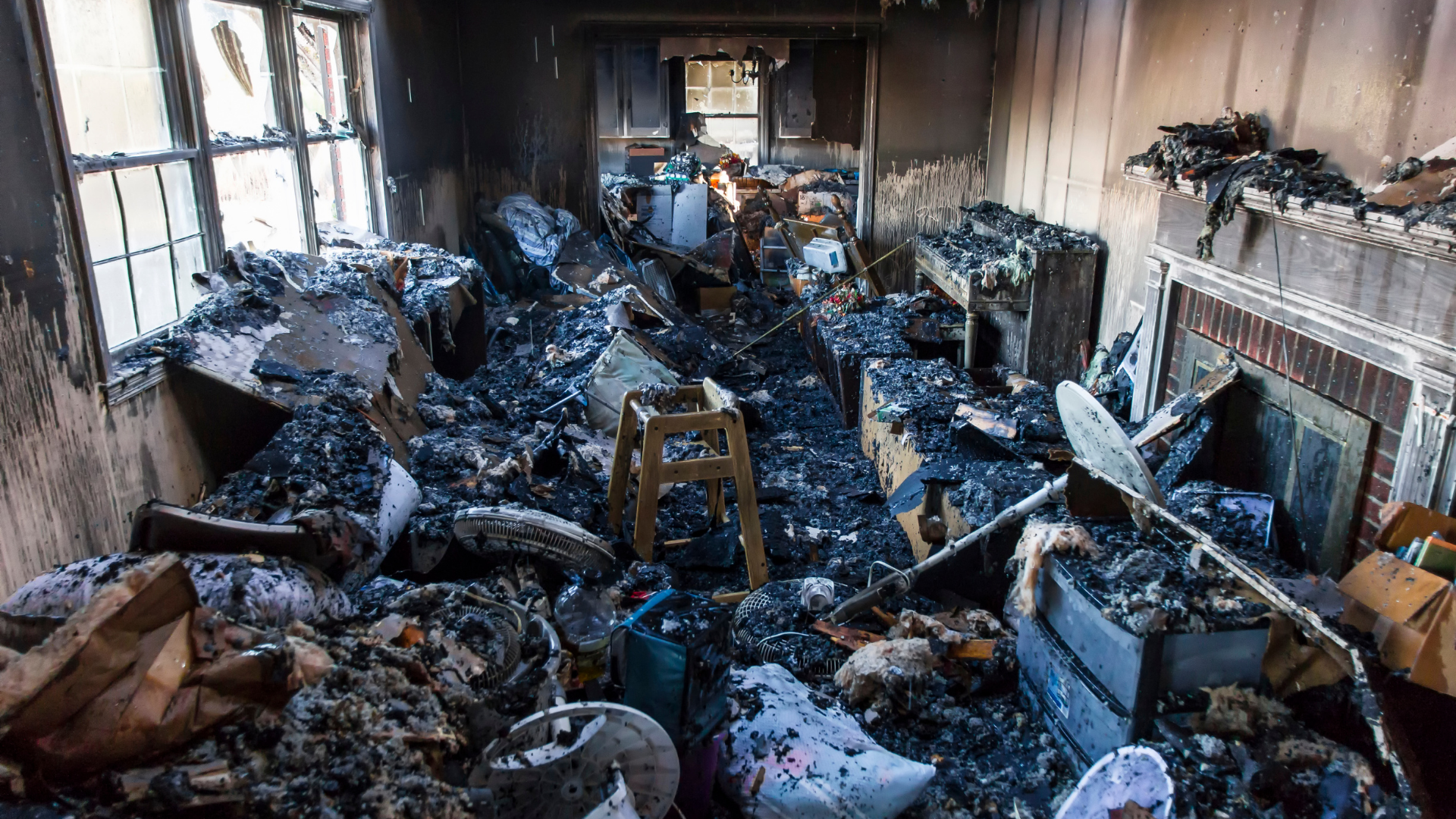
What Happens If Your Home Is Declared a Total Loss in Rhode Island?
If your home is declared a total loss in Rhode Island, insurance pays based on your policy limits and coverage type. Replacement cost coverage helps rebuild, while additional coverage can assist with living expenses and belongings.

How Rhode Island Driving Violations Can Impact Insurance Rates
Driving violations in Rhode Island can increase insurance rates, with more serious offenses leading to higher premiums and fewer coverage options. Maintaining a clean driving record is key to keeping costs down.
What Happens If Your Policy Is Non-Renewed in Rhode Island?
If your insurance policy is non-renewed in Rhode Island, coverage continues until the policy end date, but you’ll need to secure a new policy before it expires. Acting early helps avoid gaps and higher costs.

What Coverage Do Rhode Island Duplex Owners Typically Carry?
Rhode Island duplex owners typically carry landlord or multi-family insurance, along with liability protection and loss of rental income coverage. Additional protection like flood and water backup coverage may also be needed.

What Insurance Do Cranston Homeowners Typically Review Each Year?
Cranston homeowners should review their insurance coverage annually, including dwelling limits, liability protection, water backup coverage, flood insurance, and deductibles. Regular reviews help ensure your policy keeps pace with changes in your home and rising rebuilding costs.

What Insurance Coverage Should Rhode Island Homeowners Review Each Year?
Rhode Island homeowners should review their insurance each year, including dwelling coverage, liability limits, deductibles, and endorsements like flood or water backup coverage. Annual reviews help prevent gaps and ensure proper protection.

What Happens If Your Car Is Totaled in Rhode Island?
If your car is totaled in Rhode Island, insurance pays its actual cash value based on depreciation. If you owe more than the car is worth, you may still be responsible unless you have gap insurance.
What Happens If Your Insurance Company Drops You?
If your insurance company drops you in Rhode Island, you’ll receive advance notice and need to secure new coverage before your policy ends. Non-renewal can lead to higher premiums, but options are still available.